Why Is My Roof Leaking Around the Chimney?
If you’ve noticed damp patches on your ceiling, water stains around your chimney breast or moisture appearing in your loft after heavy rain, you may have a leak around your chimney.
Chimneys are one of the more vulnerable areas of a roof because they create a junction between the brickwork and the surrounding roofing materials. Over time, exposure to rain, wind and changing temperatures can cause these areas to deteriorate, allowing water to enter your property.
A roof leaking around the chimney doesn’t always mean you need an entirely new roof. In many cases, the problem can be traced to damaged lead flashing, deteriorating mortar or another localised issue.
At Primeline Roofing & Building Ltd, we carry out professional roofing, lead work and chimney repairs across Kent, helping homeowners identify the source of leaks and arrange suitable repairs.
Here are some of the most common reasons why water may be entering around your chimney and what can be done about it.
1. Damaged or Loose Lead Flashing
One of the most common causes of chimney roof leaks is damaged lead flashing.
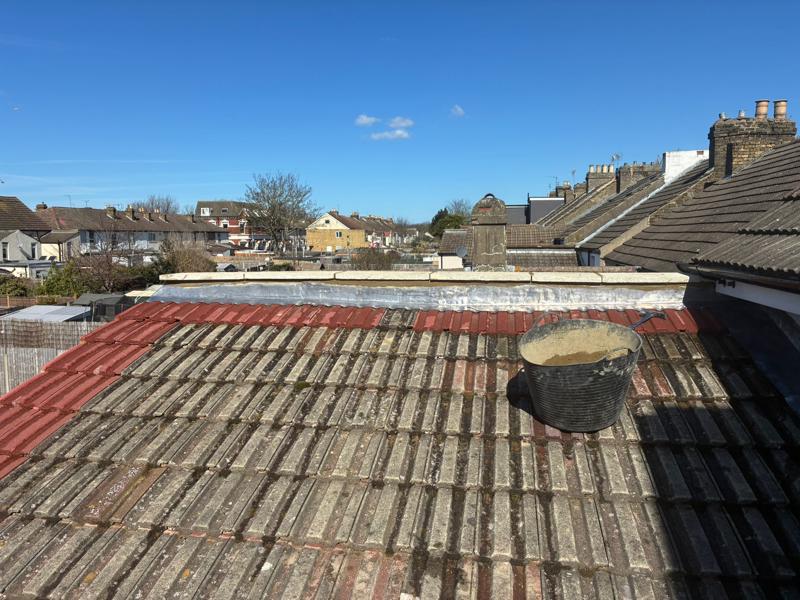
Lead flashing is installed around the base of a chimney to create a weather-resistant junction between the chimney brickwork and the roof covering.
When correctly installed, it helps direct rainwater away from vulnerable gaps where water could otherwise enter.
However, flashing can deteriorate or become damaged over time.
Common problems include:
- Cracked or split lead flashing
- Loose sections that have lifted away from the roof
- Flashing that has pulled away from the chimney brickwork
- Poorly fitted or incorrectly installed lead work
- Deteriorating mortar around the flashing joints
Even a relatively small opening can allow rainwater to enter, particularly during prolonged rainfall or strong winds.
A professional roofer can inspect the flashing and determine whether a localised repair or replacement is needed.
2. Cracked or Deteriorating Chimney Mortar
The mortar joints between chimney bricks are constantly exposed to the weather.
Over time, mortar can weaken, crack or begin to crumble, particularly on older properties.
When this happens, rainwater may penetrate the chimney structure and contribute to damp patches or water ingress.
Signs of deteriorating chimney mortar can include:
- Visible gaps between bricks
- Crumbling or missing mortar
- Loose sections of brickwork
- Damp patches around the chimney breast
- Water staining that becomes worse after rainfall
Depending on the condition of the chimney, repointing may be required to restore the mortar joints and help protect the brickwork.
However, it’s important to identify the actual source of the leak before starting repairs, as water may also be entering through damaged flashing or the top of the chimney.
3. Damaged Chimney Flaunching
Chimney flaunching is the mortar or cement-based material around the chimney pots at the top of the stack.
Its purpose is to secure the chimney pots and help shed rainwater away from the top of the chimney.
Over time, flaunching can develop cracks or become loose due to weather exposure and natural deterioration.
If the flaunching is damaged, rainwater may enter through the top of the chimney structure.
Problems with chimney flaunching aren’t always visible from ground level, which is why a professional inspection is often necessary.
Depending on the extent of the damage, the existing flaunching may need to be repaired or renewed.
4. Broken or Slipped Roof Tiles Around the Chimney
A leak that appears to come from your chimney may actually be caused by damaged roof tiles nearby.
Roof tiles can crack, slip or become displaced due to ageing materials, weather conditions or problems with their fixings.
When this happens, rainwater can reach the underlying roof structure and travel towards the chimney area.
Water doesn’t always appear inside a property directly beneath the point where it enters the roof.
Instead, it can travel along battens, timbers or other surfaces before becoming visible as a damp patch.
This is why accurately identifying the cause of a chimney-area leak is so important.
A roofer should inspect the surrounding tiles and roof junctions as well as the chimney itself.
5. Water Entering Through the Chimney Stack
Sometimes, the problem isn’t with the roofing materials surrounding the chimney but with the chimney structure itself.
Older chimney stacks may develop cracks, damaged bricks or deteriorating mortar joints that allow rainwater to penetrate.
In some cases, an unused or poorly protected chimney opening may also allow rainwater to enter.
The right solution depends on the chimney’s condition, whether it is still in use and how water is entering.
Chimney caps, cowls, repairs to the brickwork or other suitable measures may be recommended following an inspection.
Any changes to an active chimney or flue must maintain the ventilation and safe operation required for the connected appliance.
6. Blocked Gutters or Poor Roof Drainage
Although damaged flashing and chimney brickwork are common causes of leaks, problems elsewhere on the roof can sometimes produce similar symptoms.
Blocked gutters, overflowing rainwater or damaged roof valleys may allow water to collect or travel towards vulnerable areas.
During heavy rainfall, these problems can become particularly noticeable.
A full roof inspection can help determine whether water is entering directly around the chimney or travelling from another part of the roof.
What Are the Signs of a Leaking Chimney?
Chimney leaks aren’t always immediately obvious.
Some homeowners notice water dripping during heavy rain, while others only discover the problem when damp patches begin appearing inside their property.
Warning signs include:
- Brown or yellow water stains on ceilings
- Damp patches around the chimney breast
- Peeling wallpaper or bubbling paint
- Moisture or water marks inside the loft
- A musty smell near the chimney
- Cracked mortar or visible damage to chimney brickwork
- Water appearing during or shortly after rainfall
These symptoms don’t always confirm that the chimney is responsible. Condensation, plumbing issues and other roof defects can sometimes produce similar signs.
If you notice any of these problems, arranging an inspection can help establish the cause before further damage develops.
Can Chimney Roof Leaks Be Repaired?
Yes, many chimney-related roof leaks can be repaired without replacing the entire roof.
The most suitable repair will depend on where the water is entering and the condition of the surrounding materials.
Common repairs include:
- Repairing or replacing damaged lead flashing
- Repointing deteriorating chimney mortar
- Repairing or renewing chimney flaunching
- Replacing broken or slipped roof tiles
- Repairing damaged chimney brickwork
- Addressing drainage problems around the roof
In some cases, more than one issue may need attention.
For example, deteriorating flashing and damaged mortar could both contribute to water ingress around the same chimney.
A professional roofer can assess the condition of the chimney and recommend the work required.
Why Should You Get a Chimney Leak Checked Quickly?
A small chimney leak may not seem particularly serious at first, especially if water only appears during heavy rainfall.
However, leaving water ingress untreated can lead to further problems.
Persistent moisture can damage internal plaster, ceilings, insulation and timber components.
It can also contribute to damp and mould growth inside the property.
The longer the source of the leak remains unresolved, the greater the potential for damage to surrounding materials.
Arranging a professional inspection when you first notice signs of a leak can help prevent a relatively minor problem from becoming more extensive.
Avoid climbing onto the roof yourself, particularly during wet or windy weather. Roofs can be dangerous to access without suitable equipment and training.
Professional Chimney and Roof Leak Repairs in Kent
If your roof is leaking around the chimney, identifying the cause is the first step towards an effective repair.
At Primeline Roofing & Building Ltd, we provide professional chimney repairs, lead flashing installations and roof repair services across Chatham, Rochester, Gillingham, Maidstone, Rainham, Faversham, Gravesend and surrounding areas of Kent.
Whether you’re dealing with damaged flashing, deteriorating chimney mortar or unexplained water ingress, our experienced roofing team can inspect the affected area and recommend suitable repairs.
We offer free, no-obligation site visits and quotations, allowing us to assess the condition of your roof and explain the work required.
Concerned about a leak around your chimney?
Contact us today to arrange a professional roof inspection and free quotation.