
Why Do Roof Tiles Slip? Common Causes and What to Do
A slipped roof tile might not look like a major problem at first, but even one displaced tile can leave part of your roof exposed to rain and wind.
If the issue is left untreated, water can make its way beneath the roof covering and potentially affect roofing felt, battens, insulation, timbers and ceilings inside the property.
Slipped and loose tiles are a common roofing problem, particularly after periods of strong wind or prolonged wet weather.
So why do roof tiles slip, and what should you do if you notice one?
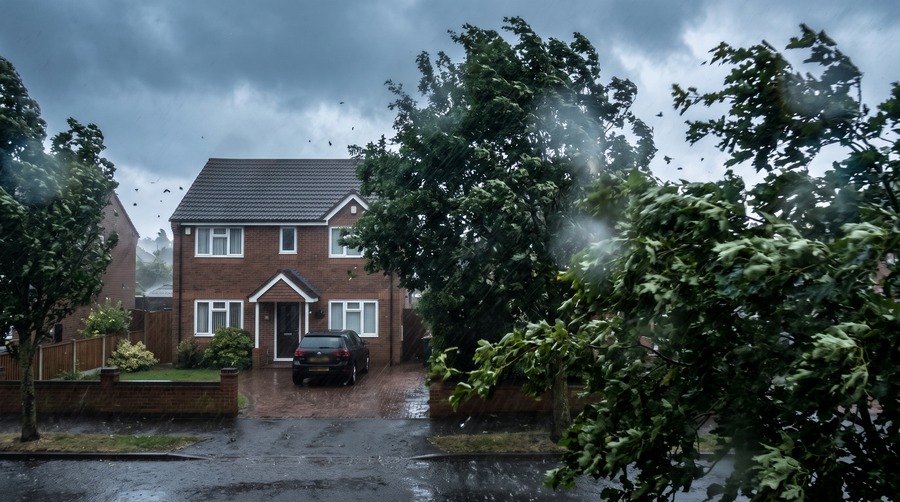
Strong Winds and Stormy Weather
One of the most common reasons for roof tiles becoming loose is strong wind.
Tiles are designed to withstand normal weather conditions, but powerful gusts can sometimes lift or move tiles, particularly if they were already damaged or poorly secured.
Storms can also expose weaknesses that may have developed gradually over time.
After a period of particularly windy weather, it is worth visually checking your roof from ground level for any obvious gaps, uneven tiles or debris.
Damaged or Corroded Fixings
Roof tiles may be secured using nails, clips or other fixing systems depending on the age and design of the roof.
Over time, some metal fixings can corrode or become weaker.
Once a fixing fails, the tile may no longer be held securely in place and can begin to move or slide down the roof.
This can sometimes affect individual tiles, while older roofs may have problems across a larger area.
Broken Roof Tiles
Roof tiles can crack or break for several reasons.
Weather exposure, frost, falling branches and general ageing can all contribute to damage.
A cracked tile may eventually lose part of its structure or become unstable, increasing the likelihood of it slipping out of position.
Even if a damaged tile has not yet moved, replacing it early can help prevent water from entering the roof.
Problems With Roof Battens
Roof tiles are normally supported by horizontal timber battens beneath the roof covering.
If battens become damaged, weakened or rotten, they may no longer provide sufficient support for the tiles.
This can cause several tiles to move or slip rather than just one isolated tile.
Problems with battens can also indicate that moisture has previously entered the roofing system, so the underlying cause should be investigated.
Poor Installation
Roof tiles need to be installed correctly to remain secure.
Incorrect spacing, insufficient fixings or unsuitable installation methods can increase the chance of tiles moving during bad weather.
Problems may not always become apparent immediately.
A roof might appear fine for years before strong winds or repeated weather exposure reveal a weakness within the original installation.
Ageing Roofing Materials
Like any part of a property, roofing materials deteriorate over time.
Older tiles can become brittle, fixings may corrode and battens can weaken.
If one tile has slipped on an older roof, it is worth checking the surrounding area for additional signs of wear.
An isolated repair may be all that is needed, but widespread deterioration could indicate that more extensive roofing work should be considered.
How Can You Tell If a Roof Tile Has Slipped?
A slipped tile is not always obvious from inside the property.
Common signs include:
A visible gap in the roof covering
A tile sitting lower than surrounding tiles
Broken pieces of tile around the property
Damp patches on upstairs ceilings
Water entering the loft
Daylight visible through parts of the roof
Staining on roof timbers
Increased problems following heavy rain
Some slipped tiles can be difficult to spot from ground level, especially on higher or more complex roofs.
If you suspect a problem, a professional roof inspection is the safest way to assess the condition of the roof.
Can One Slipped Tile Cause a Leak?
Yes, it can.
Roof tiles form part of a system designed to direct rainwater safely away from the property.
When a tile moves, it can expose the materials underneath and create an opening where wind-driven rain can enter.
This does not always result in an immediate leak.
Water may initially be carried away by the roofing membrane, which means the issue can remain unnoticed for some time.
However, repeatedly allowing water beneath the tiles can eventually lead to deterioration.
Should You Replace a Slipped Tile Yourself?
Climbing onto a roof can be dangerous, particularly if the surface is wet, damaged or difficult to access.
There is also a risk of accidentally damaging surrounding tiles while trying to reach the affected area.
For this reason, roof repairs should generally be carried out by an experienced roofer using appropriate access equipment and safety measures.
A roofer can also check whether the slipped tile is simply an isolated problem or a symptom of another issue.
Will a Slipped Tile Need Replacing?
Not necessarily.
If the tile itself is still in good condition, it may sometimes be possible to reposition and secure it correctly.
If the tile is cracked, badly weathered or damaged, replacement is normally the better option.
The condition of the fixing, battens and surrounding roof covering should also be checked before the repair is completed.
Why You Should Deal With Loose Tiles Quickly
Minor roof problems are usually easier to deal with before water has had an opportunity to cause additional damage.
Ignoring a slipped tile can potentially result in:
Water entering the roof space
Damp insulation
Damage to timber
Ceiling stains
Mould growth
Further tiles becoming displaced
More expensive roof repairs later
Arranging an inspection early can help keep the repair relatively straightforward.
Roof Tile Repairs Across Kent
If you have spotted a slipped, broken or missing roof tile, Primeline Roofing & Building Ltd can inspect the problem and recommend the appropriate repair. With more than 20 years of roofing experience, our team carries out professional roof repairs across Chatham, Medway, Rochester, Gillingham, Maidstone, Rainham, Aylesford, Faversham, Gravesend and surrounding areas of Kent.
Whether you have a single loose tile or are experiencing a more widespread roofing problem, we can assess the condition of your roof and provide a clear quotation for any work required.
Contact us today to arrange a free roof survey and no-obligation quotation.